

Picking a type of gold for your next piece of jewelry can be tricky. What does 10K, 14K, or 24K mean? All these Ks show how much actual gold is in the jewelry. Knowing what these numbers represent can help you choose the right piece for you.
The amount of gold can change the price and how the piece looks and lasts. Understanding the differences between gold karats is important for making a smart purchase of the right type of gold jewelry.
Understanding Different Karats of Gold
When you shop for gold jewelry, you will see terms like 10K, 14K, 18K, and 24K. These terms tell you about the gold purity, which is measured in karats. Pure gold is known as 24K gold and is 100% pure. But pure gold jewelry is soft and not good for everyday wear. This is why the karat system is important. It shows the different options for gold purity.
To make gold more durable and affordable, it is mixed with other metals like silver, copper, nickel, or zinc. The karat grade explains how much of the metal is real gold. For example, 18K gold has 75% gold and 25% other metals. Each karat grade gives a different mix of qualities that affect the jewelry's color, strength, and price of gold.
Definition and Significance of Karat in Gold
The karat system helps us measure the purity of gold compared to other precious metals in jewelry. It gives a clear way to check and compare how pure different types of gold items are. When the karat number is higher, it means there are more parts gold in the item, and this raises its resale value.
Why does this system matter? First, it protects buyers by providing a clear standard for gold purity. Second, it allows for the making of gold alloys with different features.
Jewelers can't always use pure gold because it is too soft for many pieces of jewelry. The karat system lets them balance both purity and use. For example, they can make alloys that are stronger for daily wear or have special colors that appeal to many people. In the end, this system helps you know you are getting good value and increases creative options with gold.
How Karat Gold Numbers Affects Value and Purity
The karat system shows how pure gold is and how much it is worth. When the karat number goes up, it means the gold is more pure, and this makes the value go up too. This happens because the piece has more of this valuable metal.
For example, 24K gold is the purest form of gold, which is why it costs more than 18K, 14K, or 10K gold. The difference in price comes from the fact that gold is valuable, and its price gets higher with more purity.
Knowing how gold karat connects to the purity of the gold and value helps people choose the right piece of gold jewelry for their budget and how pure they want it to be.
10k vs 14k vs 18k vs 24k Gold
Navigating gold jewelry means understanding different karats. You now know that 24K is pure gold, but it is too soft for daily wear. Let’s look at other popular options: 10K, 14K, and 18K gold. Each type has its own mix of purity, strength, and cost.
As you go down the karat scale, the amount of gold numbers gets lower, and more other metals are added. This changes the color, toughness, and price of the gold. Whether you want strong jewelry, an affordable choice, or a certain color, knowing these details will help you choose what karat gold is best for what you need.
10k Gold: Durable and Affordable
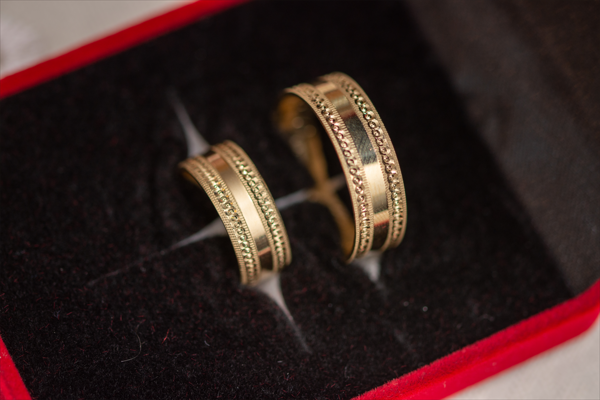
At 41.7% gold, 10K gold is the least pure gold that many countries recognize as gold. Some people may avoid it because it has less gold content. However, 10K gold works well in some situations.
The best thing about 10K gold is its strong durability. It has the most alloys compared to other types of gold. This gives it great strength against scratches and dents. It is a good option for everyday wear, especially for jewelry like earrings or necklaces that can easily get damaged.
Also, 10K gold is the most affordable option. If you have a tight budget, 10K gold is a great way to get gold jewelry without spending a lot. It is a practical choice for people new to gold or those who want sturdy pieces for daily use.
- Affordability: Ideal for budget-conscious buyers.
- Durability: Excellent for everyday wear and active lifestyles.
14k Gold: Everyday Beauty
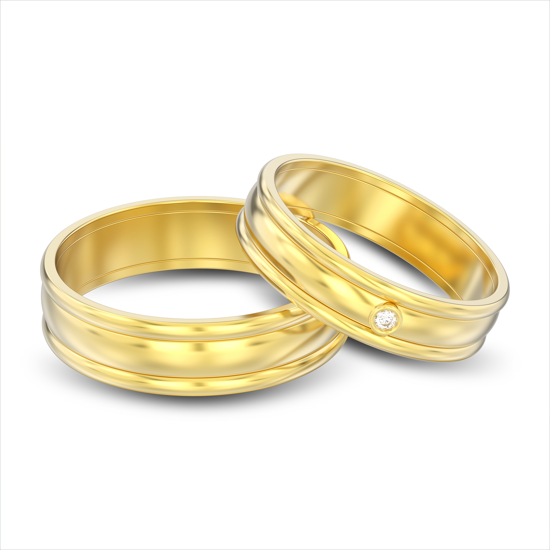
14K gold is often seen as the sweet spot in gold jewelry. It balances affordability, strength, and a beautiful gold look. With 58.3% gold content, 14K gold alloys are perfect for many jewelry styles. This makes it the most popular type of gold for rings and everyday items. If you want something for daily wear and need it to last, 14K gold is usually the best option
Many people like 14K gold for good reasons. It has more gold than 10K gold, giving it a warmer gold color. Also, the alloys in it make it last longer against wear. This makes it a great choice for important pieces, like engagement rings and wedding bands, meant to last a lifetime.
The price of 14K gold also adds to its charm. It usually costs more than 10K gold but is much cheaper than 18K gold. For anyone looking for a good balance of quality and price, 14K gold is an excellent choice.
18k Gold: Stunning Luxury
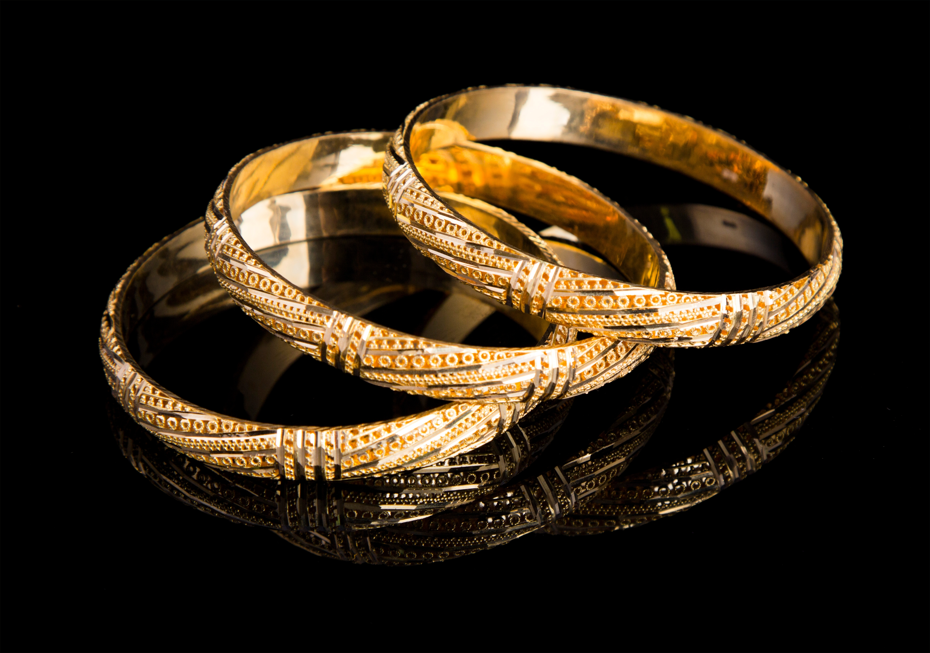
18K gold is known for its stunning shine and is a top choice in fine jewelry. It contains 75% gold, giving it a warm, yellow color that looks very luxurious.
This higher gold content makes 18K gold feel softer and more refined than lower-karat gold options. It is perfect for high-end jewelry pieces and popular engagement rings. Plus, since it has more gold, there is a smaller chance of causing allergic reactions. This makes it a good option for people with sensitive skin.
On the downside, 18K gold can be more expensive because it has more gold. It is also not as scratch-resistant as 14K or 10K gold, which means it needs to be handled with care. Even with these downsides, many people still love 18K gold for its beauty and value.
24k Gold: Pure Gold
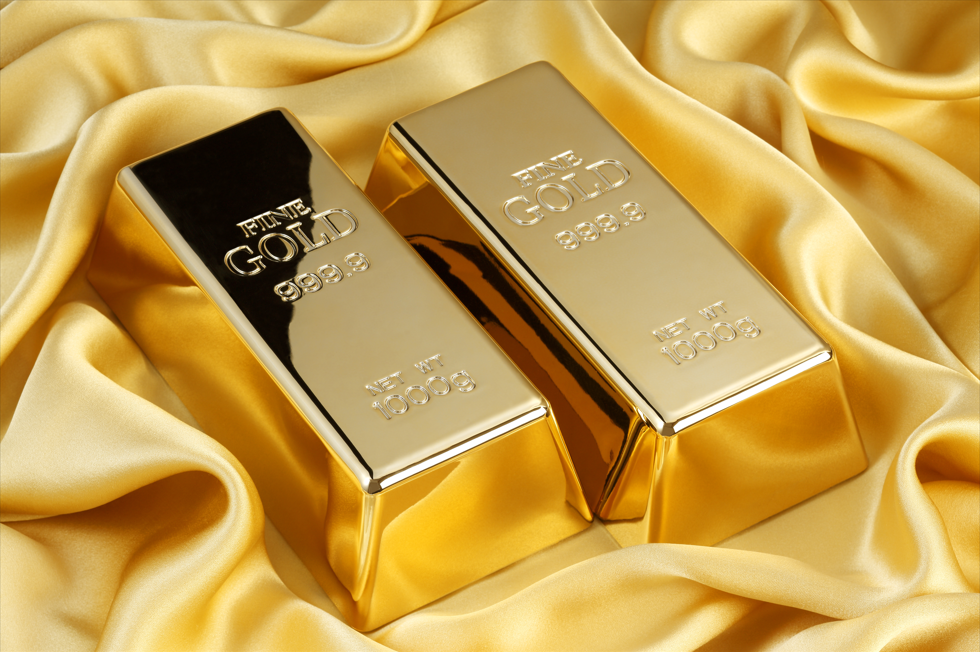
24K gold is the highest karat gold. It is pure gold, with no other metals mixed in. Its bright yellow appearance is very eye-catching and shows gold at its best. However, 24K gold has some limits when it comes to jewelry.
This gold is very soft and can be easily shaped. While this is great for making detailed designs, it also means 24K gold can get scratched or bent. Because of this, it is not ideal for everyday use. So, while 24K gold is valuable, you will often see it in gold bars and coins instead of in jewelry.
In some cultures, 24K gold has important cultural meaning. This leads to its use in specific types of jewelry, even though it is delicate. In the end, while 24K gold is beautiful and of the highest purity, it is not very practical for regular jewelry wear.
Gold Karat Chart - Gold Purity Scale
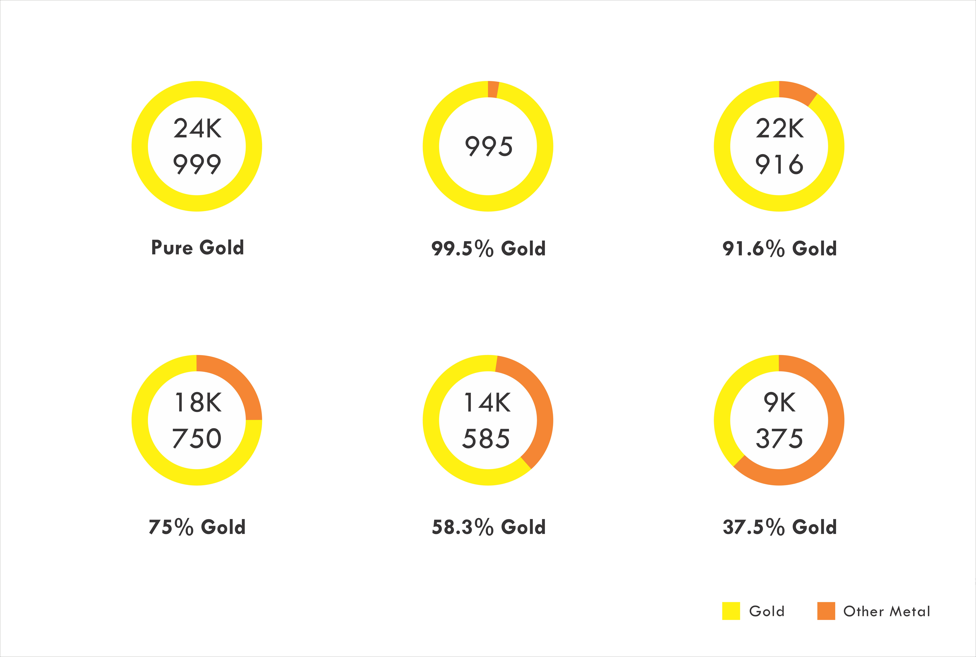
The chart below breaks down the gold karat scale, outlining gold percentage purity levels from highest to lowest. You can easily see how different karats of gold grade are based on the gold numbers. This table is based on 24K being equal to 100% gold purity.
Understanding this chart helps clarify how pure your gold is, which affects its value, durability, and even color. Pay close attention to the decimal point in the percentage, as even a small difference impacts price and quality.
Knowing about the different karat options in gold is important for making good choices when buying jewelry. If you like the strong 10k or the fancy 24k, each karat shows a special mixture of purity and strength. Think about your style, skin sensitivity, and how you plan to use the jewelry to determine what karat gold is best. There is a karat for every occasion, from engagement rings to everyday items. You can also look beyond classic yellow gold and explore white gold and rose gold.
When you pick the right karat gold numbers, you make sure your jewelry looks good and feels comfy on your skin. Let your jewelry show your personality and fit your lifestyle perfectly with the best karat choice.


